UVB-76, “The Buzzer”
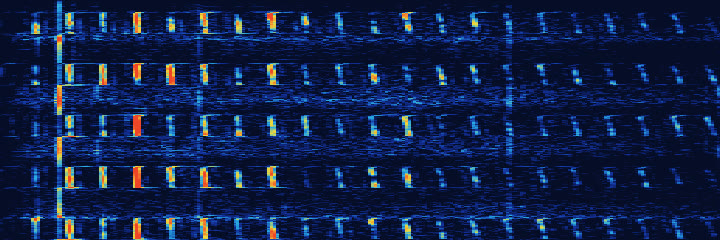
UVB-76 sounds like a harsh, low, foghorn-like buzz repeating about 25 times a minute, day and night, on 4625 kHz. Every so often the buzz stops and a Russian voice reads out code words and numbers.
What does it sound like?
What is it?
A Russian military shortwave channel that has been heard since at least 1982. Hobbyist monitors describe it as a channel marker: the buzz keeps the frequency occupied, and now and then an operator reads a short coded message. Its current call sign is NZhTI, in use since December 30, 2020; the famous “UVB-76” comes from Western listeners mishearing an early call sign.
Why is it famous?
A mysterious sound that almost never stops, from a transmitter nobody officially explains. Every burst of voice messages makes the news. In late August 2026, monitors and the media reported about 25 messages in one day; sources noted there's no evidence linking them to anything else in the news. The messages use codes whose key only the network holds, so no listener can read them.
How can I hear it?
Tune 4625 kHz in USB or AM on any shortwave radio with sideband. It's strongest in Europe, and reaches North America at night. You can also listen through a free public web receiver in Europe.
Easily confused with
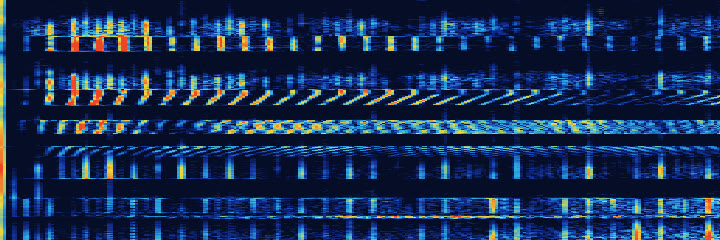
- Over-the-horizon radar: much faster: 40 to 67 sweeps a second, and it moves around
- Power-line buzz: spread across the whole band, not on one frequency